What happens when a footballer undergoes a medical?
Footballers must undergo a medical examination before joining a new club to assess their overall health and detect any hidden medical issues.
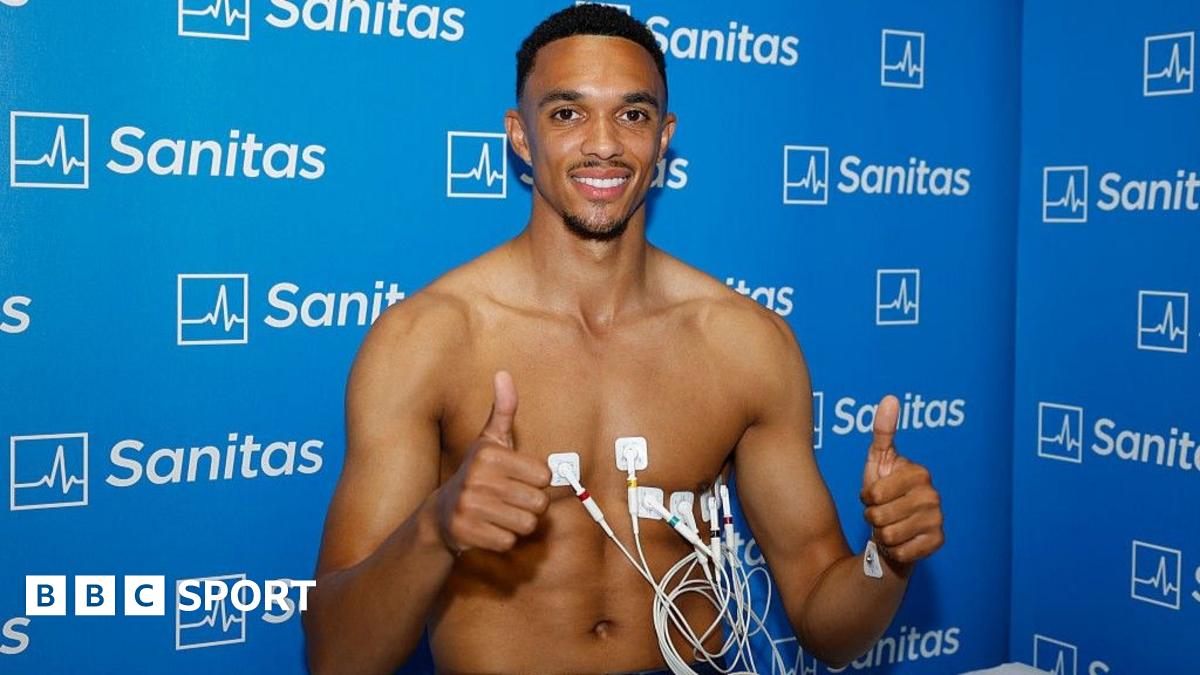
Footballers must undergo a medical examination before joining a new club to assess their overall health and detect any hidden medical issues.
The medical examination can take several hours and includes:
- Physical examination
- Cardiovascular health tests
- Laboratory tests
- Musculoskeletal system examinations
- Neurological examinations
During the physical examination, the footballer's height, weight, blood pressure, and heart rate are measured. Their muscles, joints, and bones are also evaluated.
Cardiovascular health tests include electrocardiogram (ECG), echocardiogram, and stress tests.
Laboratory tests involve blood tests, liver function assessments, and urine tests.
Footballers undergo a full physical examination, which includes assessing their movement, strength, mobility, and posture. This may involve a full-body MRI scan, X-rays, and ultrasound examinations.
Neurological examinations include psychology, balance, coordination, and brain injury assessments.
The medical examination results are sent to the purchasing club's medical staff, who analyze the data.
If a footballer fails to pass the medical examination, what happens?
In reality, it's not said that a footballer 'passes' or 'fails' the examination; they simply undergo it.
The purchasing club then decides whether to sign the footballer, taking into account any abnormalities found in the results.
This can be compared to buying a house. Homebuyers conduct a survey and, based on the findings, decide whether to complete the purchase.
Similarly, if a manager or team decides to sign a footballer, they may do so despite any issues found in the medical examination results.
Medical professionals never say a footballer 'passes' or 'fails' the examination.
"One person's 'failure' can be another person's 'pass'. It really depends on the footballer's injury status, what the manager and club want from the player, and their price. It's a risk-benefit analysis," said Dr. Charlotte Cowie.
In some cases, the results may reveal issues that prevent the transfer.
Ruud van Nistelrooy's transfer to Manchester United in 2000 was delayed because he failed his medical examination.
Peterborough United's George Boyd was set to join Nottingham Forest in 2013 but had 'inconclusive' eye test results.
In 2024, Kurt Zouma failed his medical examination with Shabab Al-Ahli.
Do doctors work during the transfer window?
Yes, football clubs have medical staff on standby during the transfer window.
Doctors at the Manchester Institute of Health and Performance (MIHP) are prepared to respond quickly to clubs' requests during this period.
MIHP clinical lead Sarah McDermott said doctors provide high-quality service and individual attention to each footballer.
"We try to respond quickly to clubs' requests during the transfer window, which involves working evenings and weekends."
McDermott added that each footballer is different and reacts differently to medical examinations.