Iranian Women's Football Team Refuses to Sing National Anthem at Asian Cup
Human rights activists and fans are calling for the safety of the Iranian women's football team, who refused to sing the national anthem at the Asian Cup, fearing severe consequences in Iran.
Human rights activists and fans are calling for the safety of the Iranian women's football team, who refused to sing the national anthem at the Asian Cup, fearing severe consequences in Iran.
The Iranian women's football team was the only team from the Middle East to qualify for the Asian Cup. When they traveled to Australia for the tournament, Israel and the US had not yet launched a war against Iran.
On March 2, the Iranians played their first match against South Korea and lost 0-3. During the national anthem, the Iranian players remained silent, with some smiling. A video of the incident spread widely on social media and websites.
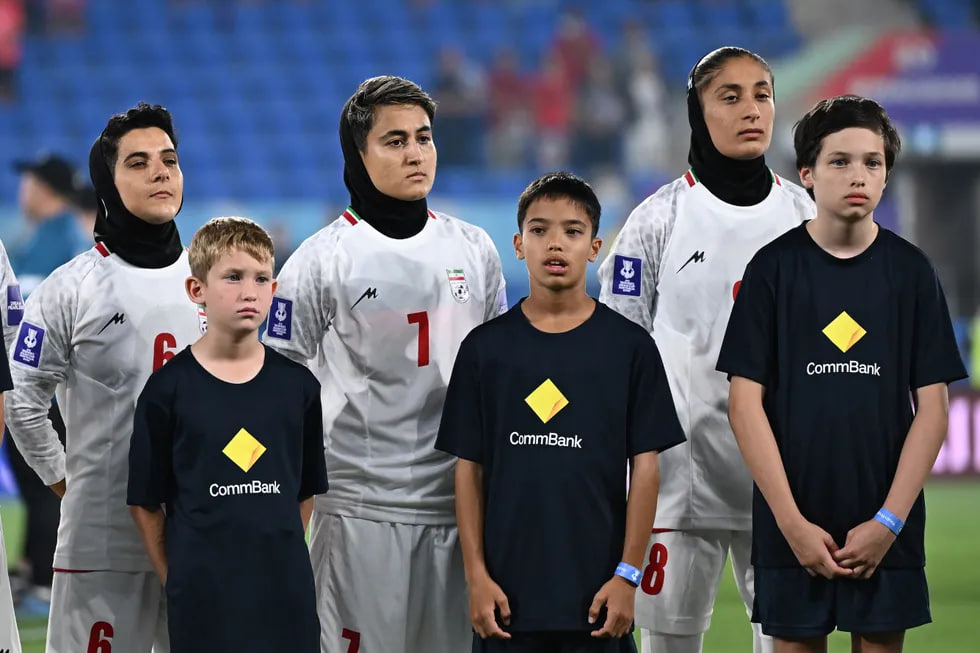
Photo: Albert Perez / Getty Images
Human rights activists and fans are calling for the safety of the Iranian women's football team, who refused to sing the national anthem at the Asian Cup, fearing severe consequences in Iran.
The Iranian women's football team was the only team from the Middle East to qualify for the Asian Cup. When they traveled to Australia for the tournament, Israel and the US had not yet launched a war against Iran.
On March 2, the Iranians played their first match against South Korea and lost 0-3. During the national anthem, the Iranian players remained silent, with some smiling. A video of the incident spread widely on social media and websites.
The players' actions are seen as a sign of protest, but it is unclear who or what they are protesting against. The players themselves have not commented on their actions.
In Iran, the players have been heavily criticized, with one TV host calling for them to be 'severely punished' for their 'disloyalty and lack of patriotism'. The host compared the players to 'traitors in wartime'.
The situation has raised concerns among human rights activists, fans, and the Iranian diaspora in Australia, with some fearing that the players could face severe punishment, including execution, if they return to Iran.
It is unclear how the players themselves view the situation or if they feel the need to defend themselves. They have not spoken to journalists or human rights activists.
In their second match against Australia and third match against the Philippines, the Iranian team sang the national anthem and performed a military salute. It is believed that the players were forced to do so by officials from the Islamic Revolutionary Guard Corps who were accompanying the Iranian delegation.
Huquq himoyachisi and former Australian men's team captain Craig Foster told CNN that many organizations have tried to contact the players but have been denied access. Foster said that the Iranian delegation is holding the players 'hostage' and not allowing them to communicate with the Australian Iranian diaspora, family, friends, human rights activists, or lawyers.
'We all have serious concerns about the players' safety. Any team participating in a FIFA tournament has the right to safety and support,' Foster said, as quoted by BBC News.
Foster emphasized that the Asian Football Confederation is responsible for the well-being of the Iranian players who have withdrawn from the Asian Cup. 'The Australian football community is asking to provide the players with safe and supportive networks so they can report any concerns or wishes confidentially,' he said.
A petition calling for the protection of the players and simplifying the asylum process has been signed by over 60,000 people. The local diaspora has called on the Australian government to separate the players from the Iranian delegation and communicate with them directly.
On March 9, US President Donald Trump also expressed concern about the players' fate, saying that Australia would make a 'terrible humanitarian mistake' if it forced the team to return to Iran, where they could be killed. Trump called on Australian Prime Minister Anthony Albanese to grant the players asylum, and if Australia does not, the US will.
Australian Foreign Minister Penny Wong responded to a question about the team by saying that Australia 'supports the brave people of Iran in their fight against the oppressive regime' and stands in solidarity with Iranian women and girls.
Experts who spoke to The Guardian emphasized that the Australian government can only help the players if they themselves apply for asylum. However, it is unclear if the players want to or are able to do so due to pressure from Iranian officials.
The players' desire to stay in Australia or return to Iran is unknown. After the match against the Philippines on March 8, Iranian team coach Marzieh Jafari said, 'We are looking forward to returning home. Personally, I would like to return to my country and be with my family as soon as possible'.
According to Foster, many of the players have families waiting for them at home, and some have children in Iran, which makes them vulnerable. He believes that even if the players have the opportunity to stay in Australia, many may choose not to.
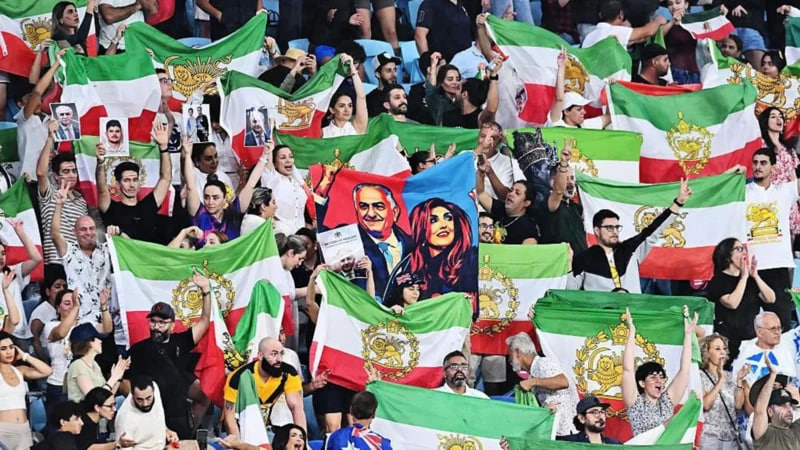
On March 8, hundreds of fans blocked the team's bus and chanted 'Save our girls'. The fans confirmed that at least three players on the bus made a distress signal, which involves raising one's hand with the palm facing outward and the thumb tucked in.
However, a CNN source close to the team expressed doubts that the players were aware of the signal's meaning.
On March 9, fans gathered in front of the hotel where the Iranian players were staying. According to BBC News, security measures were increased at the hotel, with police stationed at the reception. However, none of the players were seen, and only other members of the Iranian delegation were present in the hotel lobby.
Despite the suspension of flights to and from Iran due to the war, fans and human rights activists fear that the players could be taken out of the country via a third country such as China, Russia, or Malaysia.
Later, it was reported that five players from the Iranian women's team had left the hotel and were safe. Human rights activist and representative of the Iranian diaspora in Australia, Hoda Karimi, said that they had escaped from the team's headquarters.
Trump also announced that he had spoken to the Australian prime minister about the players and confirmed that the five players who escaped were safe and that the others were trying to do the same. 'Some of them, apparently, want to return because they are worried about their families: they have been threatened,' the US president said, praising the Australian government's efforts.
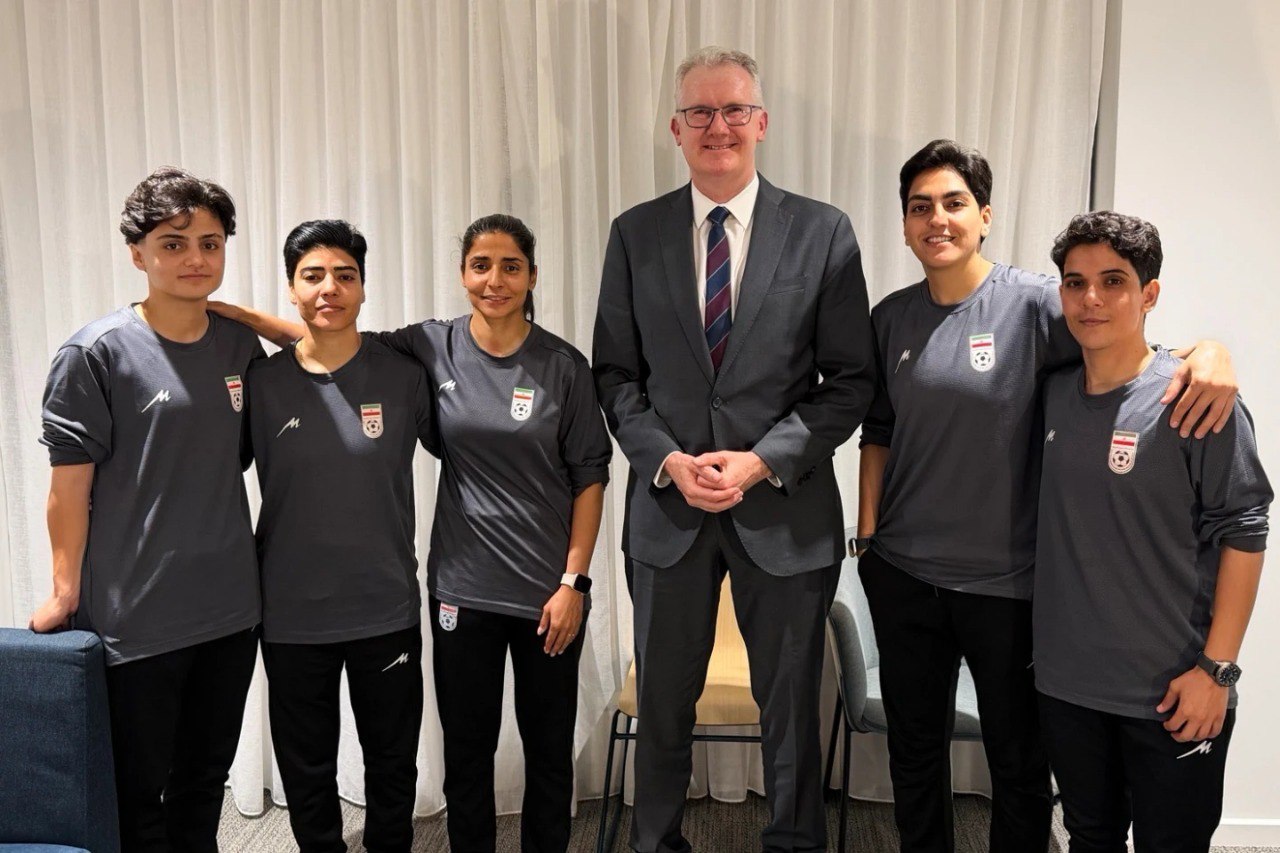
On March 10, Australian Interior Minister Tony Burke announced that five players from the Iranian women's football team had been granted humanitarian visas. 'Last night, I told the five women from the Iranian women's football team that they can stay in Australia, be safe, and have a home here,' the minister wrote on his X page, posting a photo with the players.
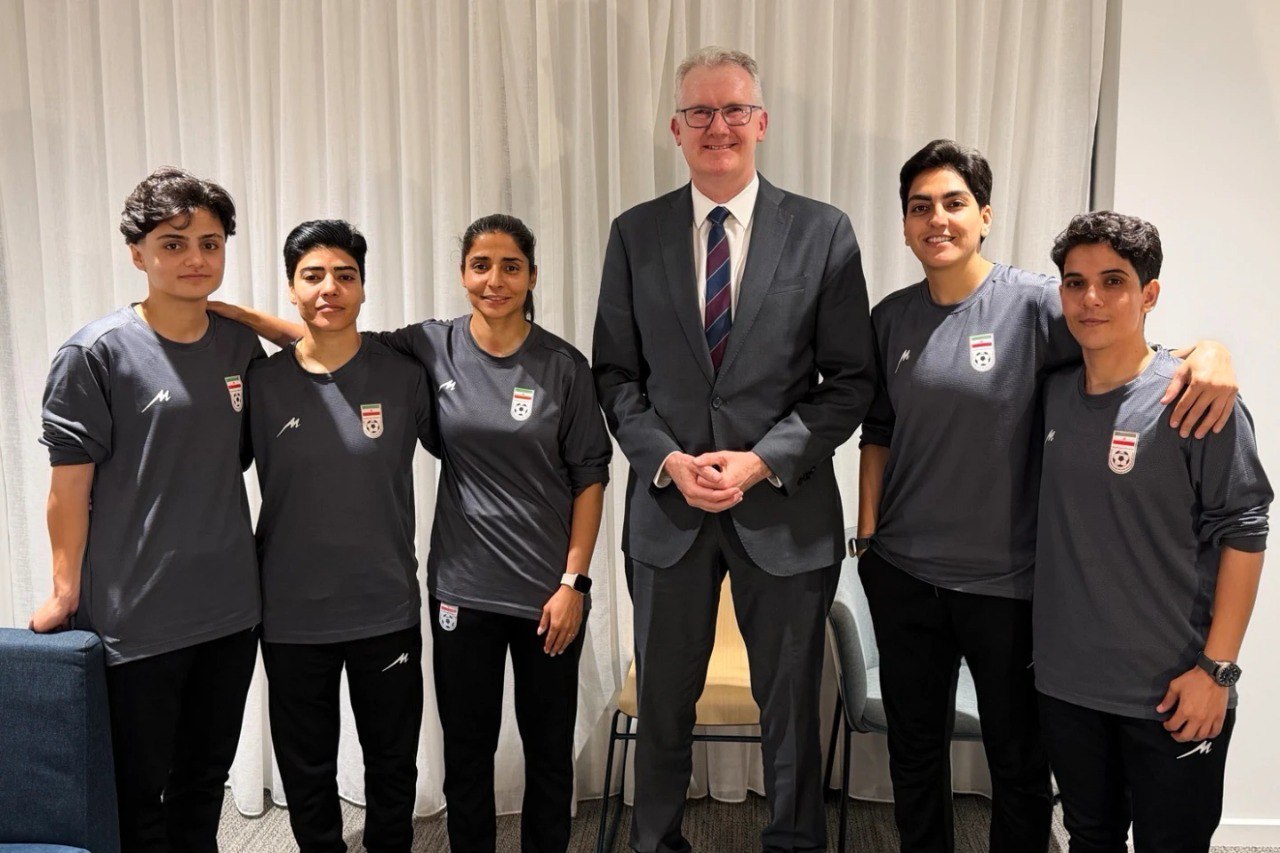
The minister also stated that other members of the Iranian women's team may be eligible for humanitarian visas and are allowed to stay in the country.
Source: Kun.uz